
Is your child a fit?
Three requirements, and we mean them.
A group only works if everyone in it can take part. To join, a child needs to be able to:
- Use spoken language. The whole curriculum runs on conversation.
- Stay with a 45-minute session. Sitting and attending for the full class.
- Join a group discussion at roughly the level of their peers.
Not there yet is not a no. It is usually an ABA goal. Plenty of our group members started in one-to-one therapy and moved across once attending and conversation were solid.
Quick facts
When: weekly, after school
Length: 45 minutes
Size: small groups
Grades: K through 8th, four bands
Ask about the next group
The curriculum
What gets taught changes as the social world gets harder.
Primary
Kindergarten – 2nd grade
- Waiting for a turn
- Stopping before acting
- Naming feelings
- Making a friend
Elementary
3rd – 4th grade
- Noticing your own effect on others
- Watching what peers do
- Handling big feelings
- What to do about bullying
Intermediate
5th – 6th grade
- Coping with a new setting
- Starting a conversation
- Managing stress
- Saying no to the group
Tween
7th – 8th grade
- Finding a place in a group
- Keeping emotions in check
- Taking criticism
- Independence and responsibility
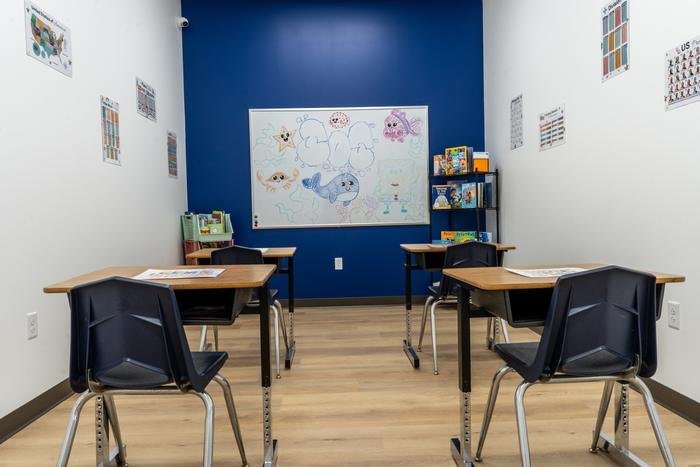
What a session actually looks like
Groups are not a lecture. A skill gets named and modelled, the children practise it on each other with a therapist steering, and then it gets used inside a game or an activity where they will forget they are being taught. Parents get told what was covered so the same language can be used at home that week.