
Because a skill that only works here isn't finished.
A child can learn to ask for a break beautifully in a therapy room and never once do it at your kitchen table. That is not stubbornness and it is not a failure of the therapy. It is how learning works. Skills stay attached to the place, the person and the routine they were taught in until somebody deliberately moves them.
Moving them is your job, and ours is to make you good at it. That is why we run a training session every week, and why participation is a condition of enrolling here rather than a service you can decline.
Everyone who is in the room when it gets hard.
Training is not just for whichever parent does the drop-off. We will work with anyone who spends real time with your child, because inconsistency between adults undoes progress faster than almost anything else.
Parents
Both of you where possible. One trained parent and one untrained parent is a recipe for a household argument at bedtime.
Grandparents
Often the second-most hours of anyone. Frequently the person a strategy quietly falls apart with, through pure love.
Siblings
Age-appropriately. Brothers and sisters usually want a job, and giving them one beats leaving them to guess.
Babysitters & nannies
The evening you go out should not cost you a fortnight of progress. Bring them in.
Whatever is actually going wrong at your house.
There is no fixed syllabus, because the family with a two-hour bedtime and the family who cannot get through a grocery store need different things. These are the areas that come up most:
Reading the behavior
Working out what a behavior is achieving for your child: escape, attention, a thing they want, or relief from something physical. Once you can see that reliably, most of what to do next becomes obvious. It is the single most useful thing we teach parents.
Handling the hard moments
What to do while a meltdown is happening, what to do in the ten minutes before one, and how not to accidentally teach that screaming works. Includes the awkward truth that things sometimes get briefly worse before they get better, and why.
Routines that hold
Mornings, mealtimes, bedtime, transitions, leaving the house. Visual schedules, warnings before a change, and building a routine your family can actually keep on a bad week rather than an ideal one.
Communication at home
Prompting the words, signs or device your child is learning, and giving them reasons to use them. Also: how to stop anticipating every need so fast that your child never has to ask.
Daily living goals
Toilet training and eating programs live or die on what happens at home. When one of those is on the plan, expect a lot of coaching, and expect us to want detail about your evenings.
Out in the world
Shops, restaurants, waiting rooms, haircuts, family gatherings. Practising in the community is part of the model, and knowing how to run it yourself is what makes weekends possible again.
How a training session runs.
Name the problem
Bring the specific thing that ruined your week. “He won't stay in bed” is a better starting point than “how's he doing?”, and a video on your phone of the actual moment is better than either.
Work out what's driving it
The same analysis we run in the clinic, applied to your living room. What happens right before, what happens right after, what your child gets out of it.
Try it while someone watches
You run the strategy with your child and get feedback in the moment. Reading about a technique and doing it under pressure at 7pm are different skills, and only one of them transfers.
Leave with a plan you'll actually do
A single change to try this week, written down, small enough to survive a bad night. We would rather you nail one thing than half-do six.
Report back honestly
If you did not do it, say so. That is data, not a confession, it usually means the plan was too big for the life you are living, and we need to shrink it.
What else you get access to.
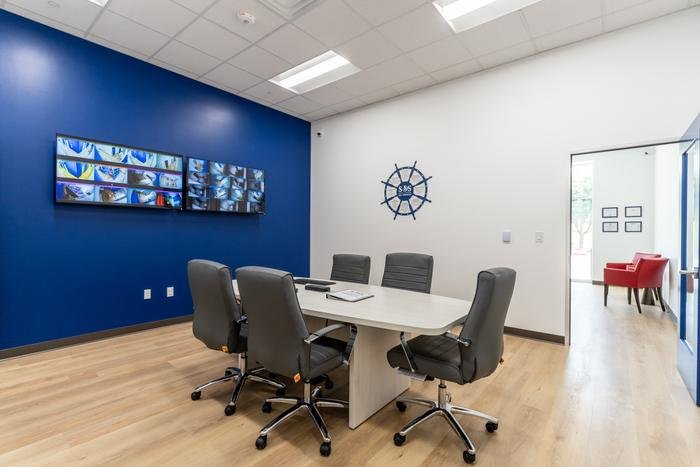
You have your own login to CentralReach, the secure system your child's records are stored in, where you can read the progress data at any hour, message your child's team securely without playing phone tag, and view and pay your invoices. And the parent viewing room is open to you without an appointment, sitting and watching a session is often the fastest way to see what a technique actually looks like when it works.
None of that replaces the training. It just means you are never guessing about what happened today.
Required: yes, a condition of enrollment
How often: every week
Who: parents, grandparents, siblings, sitters
Led by: your child's BCBA
Also included: CentralReach parent login, secure messaging, open parent viewing room
Cost: caregiver training is a billable service on many plans, we check it with everything else
Bring us the hard part
Tell us the one thing about your week you would change first. That is where training starts.
Start the conversation